
How to manage payroll without an HR team
You can manage payroll without an HR team by assigning clear owners and using a fixed process. Software or a payroll provider can handle selected tasks. Your business still needs…
Practical guidance on payroll, attendance, leave management, employee experience, and running a people operation that scales.

You can manage payroll without an HR team by assigning clear owners and using a fixed process. Software or a payroll provider can handle selected tasks. Your business still needs…

To learn how to create HR policies, start with real workplace needs. Then check laws, define each policy, consult staff, draft it, approve it, train people, and review it. A…

HR software for tech companies coordinates workforce records and workflows across changing roles, teams, locations, and digital systems. The operating design must preserve ownership, effective dates, permissions, and history. It…

HR for tech companies creates repeatable people decisions while products, teams, roles, and work locations change. It connects founders, managers, HR, finance, payroll, IT, and security around clear ownership and…

HR software for manufacturing should fit the way people actually work across plants, shifts, roles, and employment types. The right system connects workforce records with daily actions. It should also…

HR in manufacturing connects people systems with daily plant work. It covers staffing, skills, shifts, time, employee relations, and workforce records. Effective HR for factories helps leaders place qualified workers…
The importance of human resource management lies in building and supporting the workforce a business needs. It connects people's decisions with operations, employee needs, risk, and future growth. Human Resource…

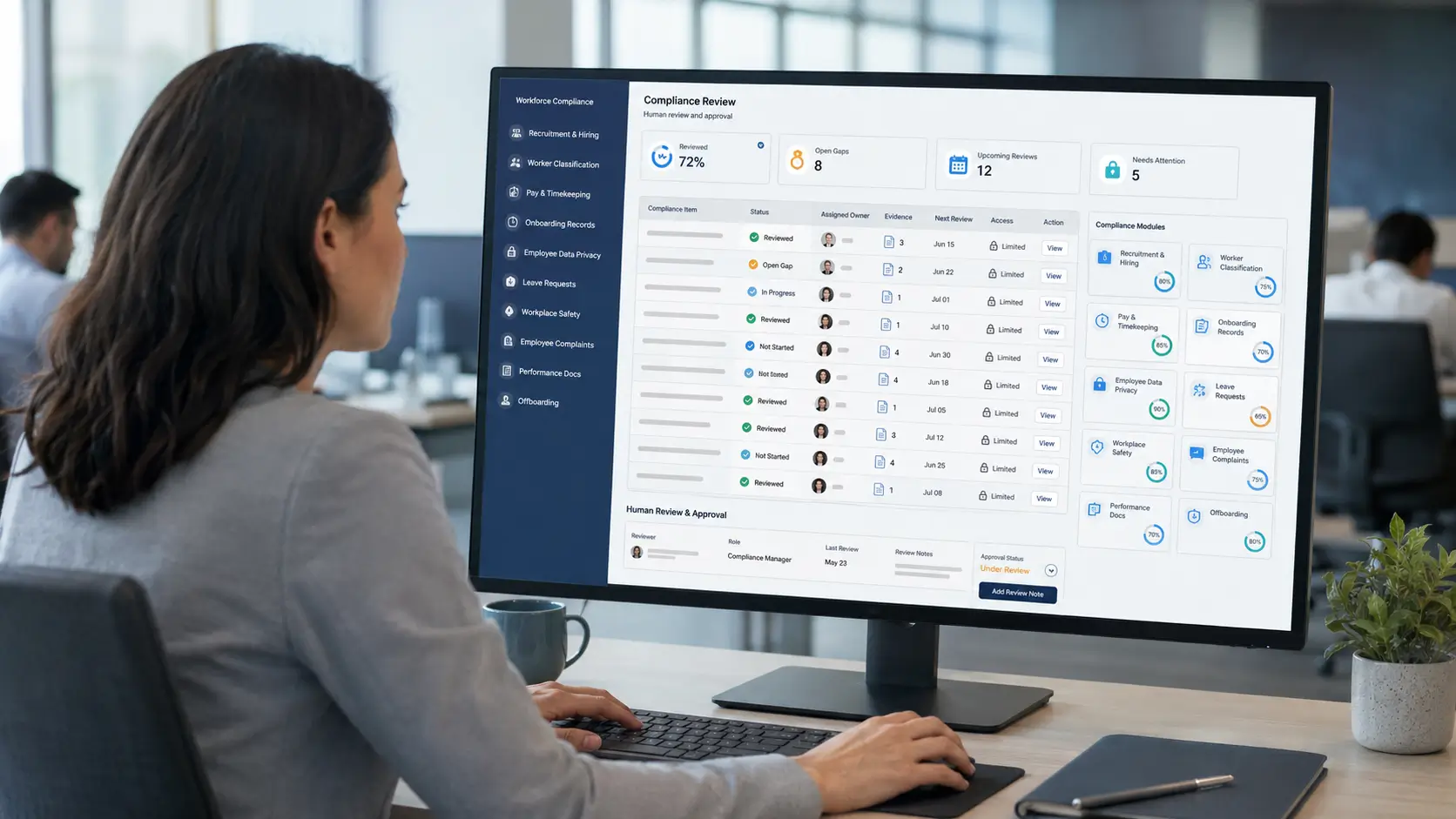
An HR compliance checklist can help employers review people policies, records, decisions, notices, and workplace practices. Supporting records can help assign owners and document each review. The checklist cannot confirm…

HR software can reduce repeated administration, improve workforce data, speed routine service, support controls, and strengthen reporting. These benefits depend on good processes, reliable data, adoption, ownership, and careful configuration.…
Showing 10-18 of 33 articles